Physical Address
304 North Cardinal St.
Dorchester Center, MA 02124
Physical Address
304 North Cardinal St.
Dorchester Center, MA 02124


Global PC shipments fell 21.2% in the third quarter of 2026, reaching 58.1 million units, as rising memory and storage prices pushed up computer costs and weakened consumer demand. Lenovo maintained its position as the world’s leading PC vendor, while HP recorded the steepest decline among the top manufacturers.
The global computer market is facing another major challenge as higher component prices and supply chain pressures make PCs increasingly expensive. According to the figures attributed to market research firm Omdia, worldwide shipments of desktops, laptops and workstations dropped 21.2% year over year in July–September 2026, reaching 58.1 million units.
The decline follows two consecutive quarters of growth during the first half of the year. Analysts believe that early purchases, made in anticipation of higher prices, helped boost demand earlier in 2026. As that demand faded, the effects of rising production costs became more visible.
One of the biggest reasons behind the slowdown is the rising cost of essential computer components, particularly memory and storage.
Manufacturers are dealing with higher prices for DRAM memory and solid-state drives (SSDs), alongside supply constraints affecting processors, graphics cards and integrated circuits. These challenges are making it harder for companies to manage production, source components and maintain healthy inventory levels.
The rising cost of components is also putting pressure on manufacturers’ profit margins. Although several companies have increased their product prices over recent quarters, higher selling prices have not fully offset the additional production costs.
For consumers, this means buying a new computer may require a bigger budget than before. Students, home users, small businesses and budget-conscious buyers may respond by delaying upgrades, repairing existing devices or choosing less expensive models.
Another factor behind the market downturn is the increase in early purchasing.
When consumers expect computer prices to rise, they may decide to buy sooner rather than wait. This can temporarily strengthen sales, but it also reduces the number of people who need to purchase a device in the following months.
According to the supplied Omdia report, this pattern helped support demand during the first half of 2026. Once those purchases were completed, the market faced weaker demand in the third quarter.
Combined with higher component prices and supply constraints, the slowdown resulted in a sharp decline in PC shipments.
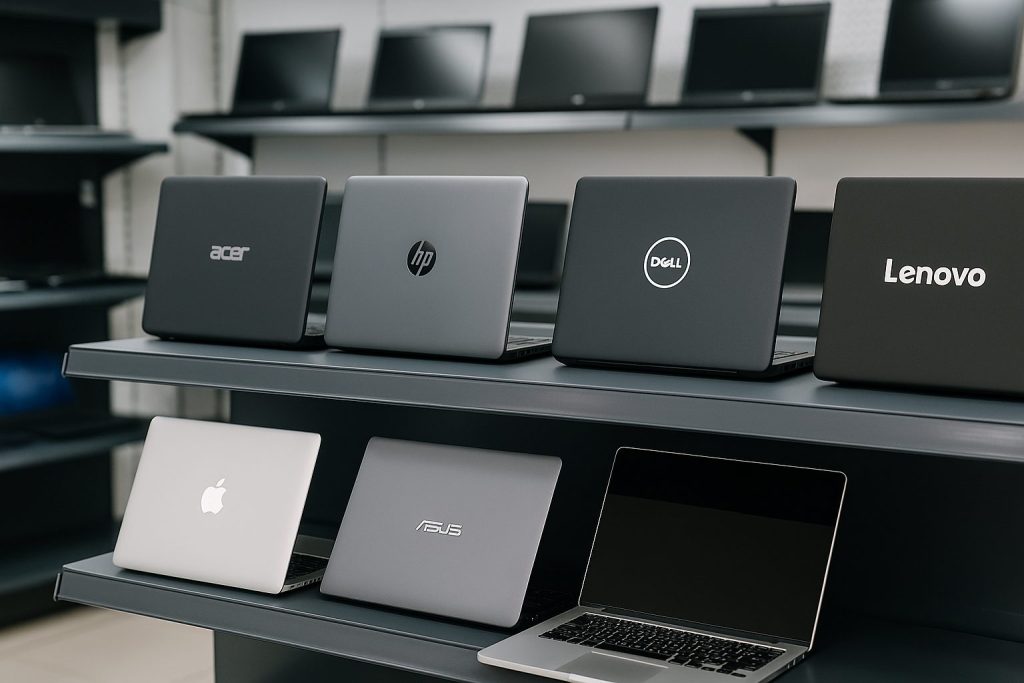
Despite the overall decline, the leading PC manufacturers largely maintained their positions in the global market. Lenovo, HP, Dell, Apple and Asus remained the top five vendors, according to the reported figures.
Here is how the leading manufacturers performed during the third quarter of 2026:
| Rank | PC manufacturer | Shipments | Market share |
|---|---|---|---|
| 1 | Lenovo | 14.9 million | 26% |
| 2 | HP | 10.3 million | 18% |
| 3 | Dell | 7.6 million | 13% |
| 4 | Apple | 6.8 million | Not specified |
| 5 | Asus | Not specified | Not specified |
Lenovo remained the market leader, shipping approximately 14.9 million PCs during the quarter. Its 26% market share placed it comfortably ahead of HP.
HP shipped around 10.3 million units, but its shipments declined by 31% year over year—the steepest drop among the leading vendors highlighted in the report. Its market share stood at 18%.
Dell ranked third with 7.6 million units shipped, accounting for 13% of the market. Apple followed in fourth place with 6.8 million units, although its shipments declined by 11% compared with the same period a year earlier.
Despite the decline, Apple’s market share reportedly increased by more than one percentage point. Its stronger position in the premium segment may help the company withstand rising costs better than manufacturers that rely heavily on lower-priced devices.
Asus completed the top five, although the supplied report did not provide its shipment volume or market share.
The growing cost of computer components is becoming a major concern for manufacturers and consumers alike.
Memory and storage are particularly important because they directly affect the cost of building a computer. The supplied report suggests that DRAM and SSD costs, which typically account for around 15% of a PC’s total cost, have risen to approximately 40% amid recent price increases.
Such a change can significantly affect pricing decisions, production budgets and profitability.
Manufacturers may respond by increasing retail prices, adjusting hardware configurations or prioritizing products with higher profit margins. However, higher prices could discourage consumers who are already cautious about spending.
Budget PC buyers may feel the pressure most strongly. Students, first-time computer buyers and small businesses often have limited budgets, making even modest price increases a potential barrier to purchasing new hardware.
The outlook for the PC industry remains uncertain. According to the forecasts cited in the supplied Omdia report, global PC shipments could decline by 24% year over year in the fourth quarter of 2026.
The report also projects a further 7% contraction in the overall PC market in 2027.
If these forecasts materialize, manufacturers, component suppliers, retailers and distributors could face another difficult year. Companies may need to revise production plans, manage inventory more carefully and reconsider their pricing strategies.
For consumers, continued cost pressures could mean more expensive computers and fewer attractive options in the entry-level market. Some buyers may choose to keep their existing devices for longer, while others may look for refurbished computers or lower-cost alternatives.
However, the actual impact will depend on how component prices, supply availability and consumer demand evolve over the coming quarters.
For anyone planning to buy a laptop or desktop computer, the current market situation makes it important to consider both price and long-term value.
If your current device meets your needs, delaying an upgrade may be reasonable. But if you need a computer for work, education or business, waiting indefinitely for prices to fall may not be the best approach.
Before purchasing, compare specifications, check warranty coverage and consider how long the device is likely to remain useful. Buyers should also compare the total cost of ownership rather than focusing only on the initial price.
Ultimately, the decline in global PC shipments reflects a combination of rising hardware costs, changing purchasing patterns and pressure on consumer demand. With further market contraction forecast for late 2026 and 2027, the computer industry may need time to regain momentum.
For now, both manufacturers and buyers will be watching memory and storage prices closely, as these components could play a significant role in determining the direction of the PC market.
Source: Figures and forecasts attributed to Omdia in the supplied source material.